Mobile Engineering & GSM Knowledge Center
Central repository of authoritative engineering manuals, firmware architecture references, and diagnostic field handbooks. Authored and maintained by Muhammad Talal Faraz for repair engineers, students, and technicians.
Flagship Engineering Manuals & Guides
Select a specialized handbook below. Read our comprehensive 62-topic mobile software directory or explore the verified 2026 diagnostic and secret dialer codes manual.
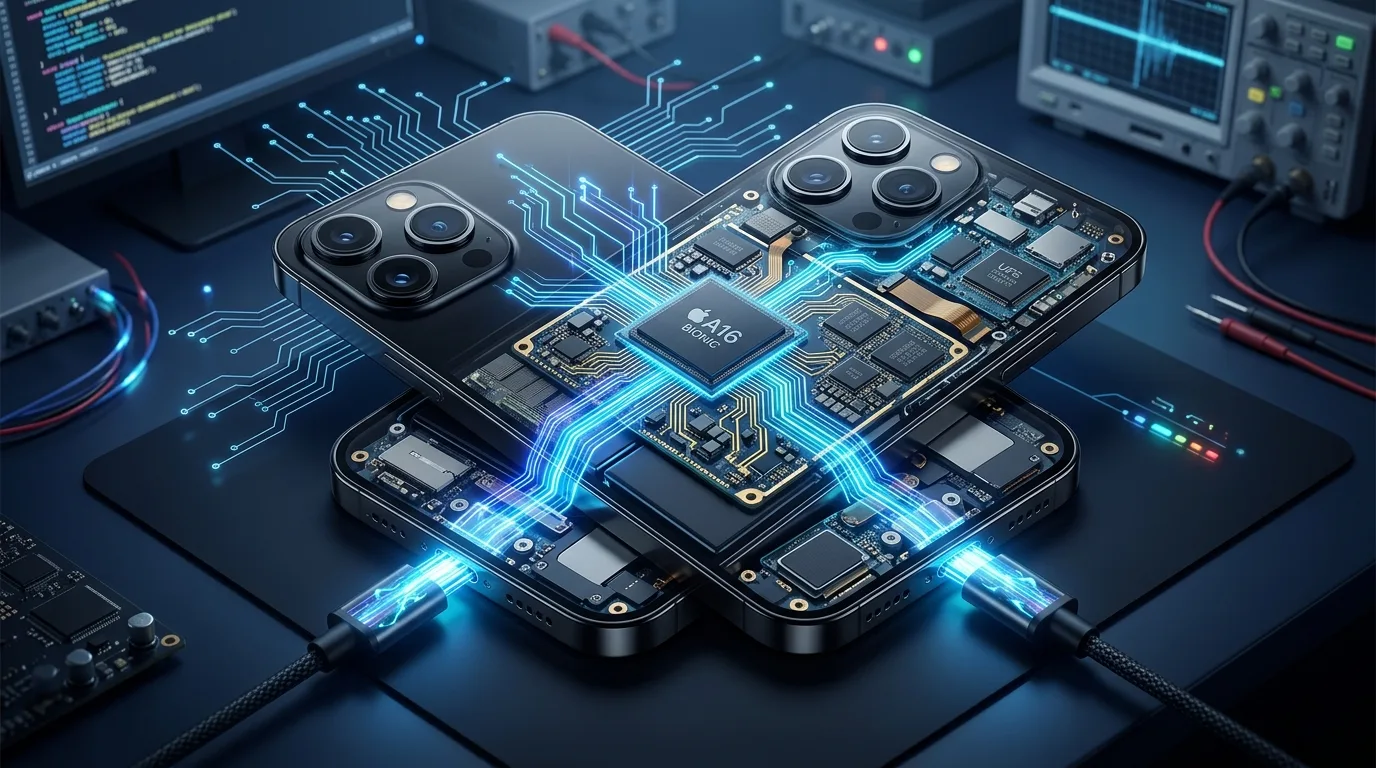
Mobile Software, Firmware & Device Modes Guide
In-depth technical manual covering Android & iOS firmware architectures, low-level modes (EDL, BROM, Fastboot, Download), UFS/eMMC storage forensics, baseband faults, FRP & Knox security mechanisms, and GSM service tools.
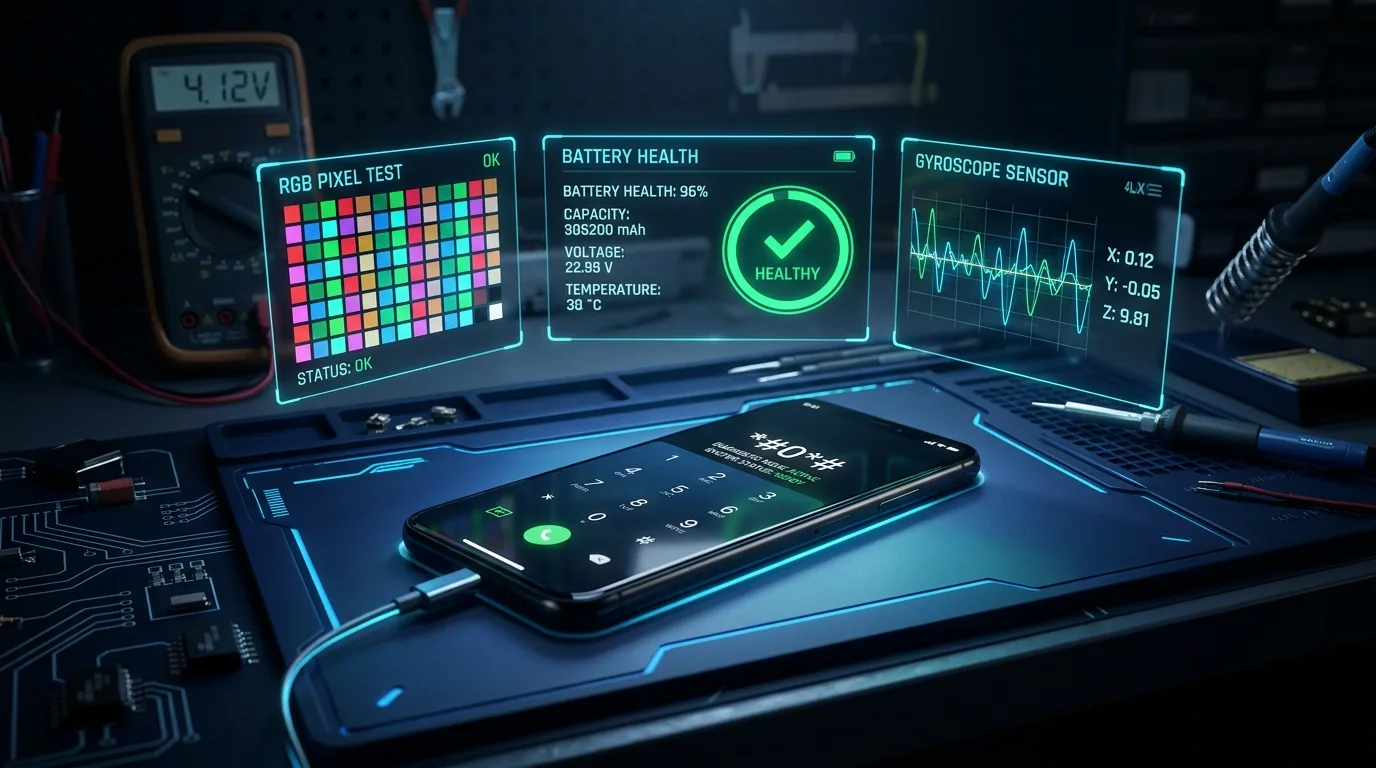
Mobile Diagnostic & Secret Codes (2026 Edition)
Source-graded manufacturer dialer codes for Samsung, Xiaomi CIT, iPhone Field Test, Pixel repair diagnostics, Vivo OQC, ColorOS engineering modes, EFS/modem checks, safe ADB commands, and used-phone inspection checklists.
Knowledge Center Volumes & Technical Curriculum
TF Tech Solutions publishes laboratory-tested engineering references for students, field technicians, and workshop owners. Explore our live flagship manuals or preview what is currently under active development.
Mobile Software & Low-Level Modes
62 chapters covering EDL 9008, BROM, Fastboot, UFS storage forensics, and GSM service tools.
Diagnostic Secret Codes & CIT (2026)
Source-graded dialer codes for Samsung, Xiaomi CIT, iPhone Field Test, Pixel repair, and safe ADB.
eMMC / UFS Chip-Off & ISP Pinouts
Direct ISP clock/data soldering, EasyJTAG/Medusa Pro socket workflows, and raw flash memory forensics.
Logic Board Micro-Soldering & Schematics
Power management IC diagnosis, VDD_MAIN short tracing, thermal imaging, and ZXW schematic analysis.
Have a Technical Topic You Want Us to Document?
Our engineering desk accepts requests from technicians, students, and repair shop owners across Pakistan.
Frequently Asked Questions
Essential answers on boot modes, safe firmware restoration, encryption, and GSM servicing tools.
Q1.
What is the key difference between firmware flashing and a factory data reset?
A factory data reset merely erases user data, configurations, and installed applications from the userdata partition, returning the system to initial setup. It does not repair or replace corrupted system binaries. In contrast, firmware flashing writes complete system partition images (boot, system, vendor, modem baseband) to internal storage, which can unbrick bootloops, update operating systems, or restore corrupted core components.
Q2.
What is Qualcomm EDL Mode (QDLoader 9008) and when is it required?
Qualcomm Emergency Download (EDL) Mode is a low-level hardware servicing state executed directly by the processor's Primary Boot Loader (PBL) in ROM before any storage or Android OS loads. A computer detects it as 'Qualcomm HS-USB QDLoader 9008'. It is required to revive hard-bricked devices, repair corrupted boot partitions, or flash devices where Fastboot and Recovery are inaccessible.
Q3.
How does MediaTek BROM Mode differ from Preloader Mode?
Boot ROM (BROM) is read-only startup firmware permanently embedded inside the MediaTek processor chip that executes first upon power-up. Preloader is a secondary boot stage stored in flash memory (eMMC/UFS) that initializes RAM and clock frequencies. If a corrupted preloader causes a hard brick, technicians use hardware test points to short the clock/data line to ground, forcing the SoC into BROM mode for emergency reflashing.
Q4.
Does flashing stock firmware remove Google FRP or Apple iCloud Activation Lock?
No. Factory Reset Protection (FRP) and Apple Activation Lock are hardware-cryptographic and server-synchronized protections. Standard firmware flashing or DFU restore will simply reinstall the clean OS and re-trigger the lock screen during initial setup. Removing activation locks requires valid account credentials or authorized ownership verification.
Q5.
Can personal data and photos be recovered from a smartphone in a bootloop?
Modern smartphones run File-Based Encryption (FBE) tied to the hardware secure element (TEE/Titan M/Knox) and user passcode. If a phone is bootlooping due to deep filesystem corruption, standard flashing or factory wipe will permanently erase files. Data recovery is only possible if the device can boot into an authorized state where the security subsystem can decrypt user storage without wiping.
Q6.
What is the difference between a GSM digital activation, a USB dongle, and a service box?
A digital activation (like UnlockTool or Chimera) binds access to a user account without requiring physical equipment. A USB dongle (like UMT Pro or EFT Pro) is a physical smartcard security key required to run desktop repair software. A service box (like Octoplus, Z3X, or Medusa Pro) includes physical hardware interfaces (RJ45, JTAG, and ISP eMMC/UFS socket adapters) for board-level hardware repair.
Q7.
How does TF Tech Solutions provide remote mobile software services?
Remote services are carried out via secure, temporary AnyDesk or TeamViewer sessions on the customer's computer while the mobile device is plugged in via USB. Our certified technician handles driver configuration, boot mode triggers (EDL/BROM/Fastboot), and supported flashing or recovery procedures in real-time while you retain complete visual control of the screen.
Q8.
Where can technicians and students learn professional mobile software and board diagnostics?
TF Tech Solutions provides comprehensive hands-on Mobile Software Training Courses in Pakistan and online. The curriculum covers EDL firehose workflows, BROM test points, eMMC/UFS storage diagnostics, schematic tracing, and multi-brand GSM tool mastering. Interested students can explore our Training page or contact our desk.
Have a Complex Device Issue or Need Hands-On Training?
TF Tech Solutions provides certified remote unbricking, multi-brand tool activations, and professional classroom & online Mobile Software Training courses in Pakistan.